

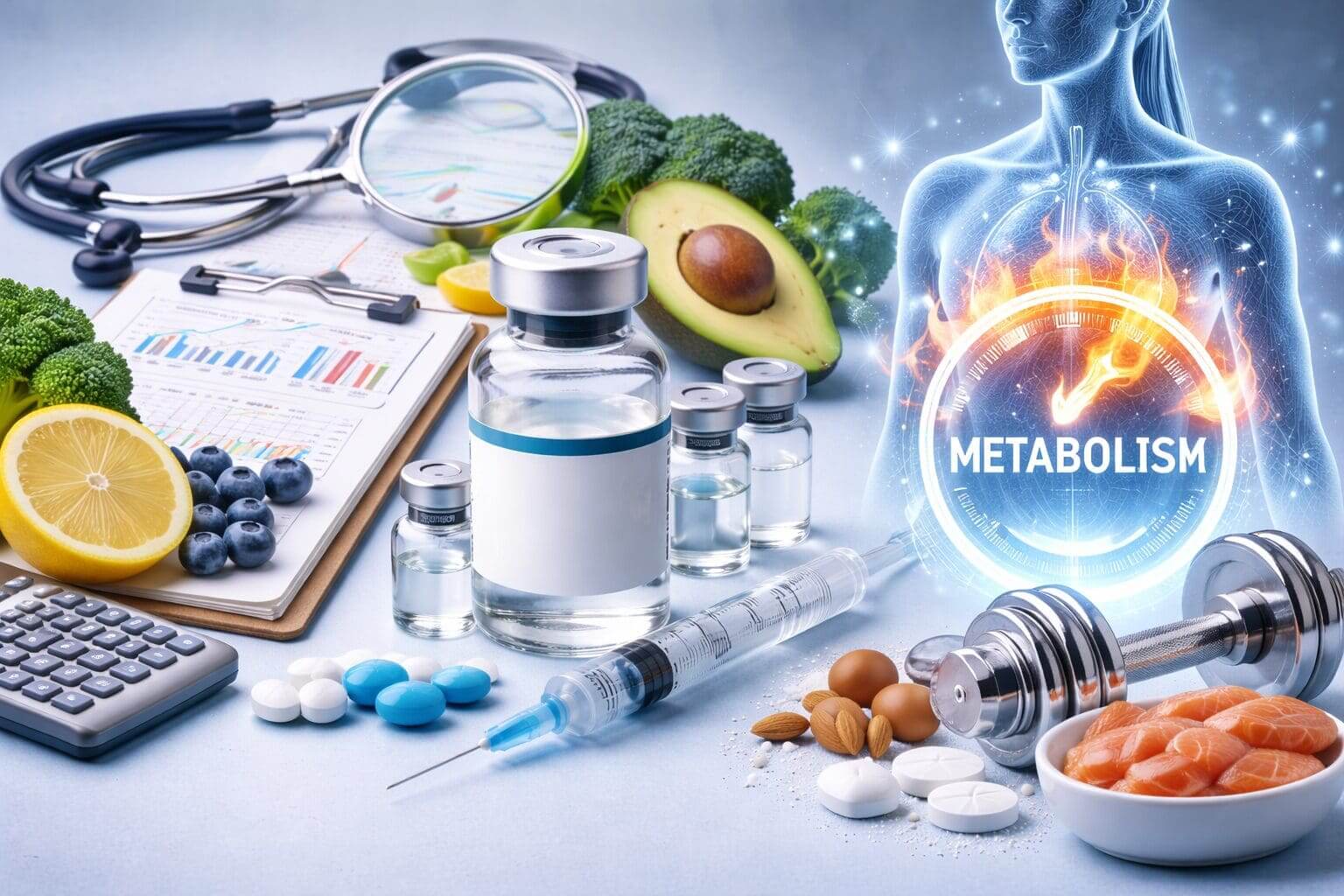
Can HGH Help With Slow Metabolism? Expert Insights
Slow metabolism affects many adults, leading to low energy, weight gain, and frustration. Because of this, some people ask whether Human Growth Hormone (HGH) can boost metabolism and improve weight control.
What Is HGH and How Does It Work?
Human Growth Hormone (HGH) naturally produced by the pituitary gland. It helps drive growth during childhood and plays a key role in the body’s metabolism throughout life. HGH influences how the body uses fats, proteins, and carbohydrates. It can increase muscle growth and support the breakdown of fats for energy.
HGH levels tend to drop over time, and evidence indicates that this decline may contribute to decreased muscle mass and changes in body composition, commonly perceived as a slower metabolic rate.
The Link Between HGH and Metabolism
Metabolism describes the chemical reactions that convert food into energy, and when it slows down, the body expends fewer calories while at rest. Experts agree that many factors influence metabolic rate, including age, genetics, muscle mass, and activity level.
HGH does interact with these processes. It can:
- Stimulate fat breakdown
- Increase protein synthesis, aiding muscle maintenance
- Influence glucose metabolism
These effects suggest HGH plays a role in how the body manages fuel and builds muscle. However, the body’s metabolic system is complex. Simply increasing HGH does not guarantee a faster metabolism for everyone.
Can HGH Therapy Speed Up a Slow Metabolism?
HGH therapy may improve body composition. Studies show that for people with true deficiency, HGH therapy can increase lean muscle mass, reduce fat mass, and slightly improve metabolic function.
Many research reviews conclude that HGH may help improve body composition, but it does not guarantee increased metabolism or automatic weight loss in healthy adults.
Risks and Side Effects of HGH Use
HGH therapy carries potential side effects, especially when used without medical supervision. These may include:
- Joint and muscle pain
- Fluid retention and swelling
- Increased insulin resistance
- Carpal tunnel syndrome
- Risk of abnormal growth in tissues
Because of these risks, major medical organizations recommend using HGH only when medically necessary and monitored by a specialist.
Lifestyle Strategies That Support Metabolism
Rather than focusing solely on hormones, experts emphasize lifestyle choices that reliably support metabolism:
- Regular physical activity
- Strength training to build and preserve muscle
- Quality sleep
- Balanced diet with adequate protein
- Managing stress
These strategies have strong scientific support and generally carry fewer risks than hormone therapy.
Who Should Consider HGH Therapy?
HGH therapy may be appropriate for individuals with clinically diagnosed growth hormone deficiency and Specific medical conditions affecting hormone levels
A thorough evaluation, including blood tests and consultation with an endocrinologist, is essential. Self-prescribing or using HGH from unregulated sources is unsafe and not recommended.
Final Thoughts: Metabolism, Hormones, and Healthy Choices
If you are struggling with a slow metabolism, talk with your healthcare provider. Together, you can explore safe, science-based treatments that fit your unique health goals.
For expert hormone care and personalized metabolic support, MetroMed offers comprehensive evaluations and guidance to help you make informed decisions about your health.