

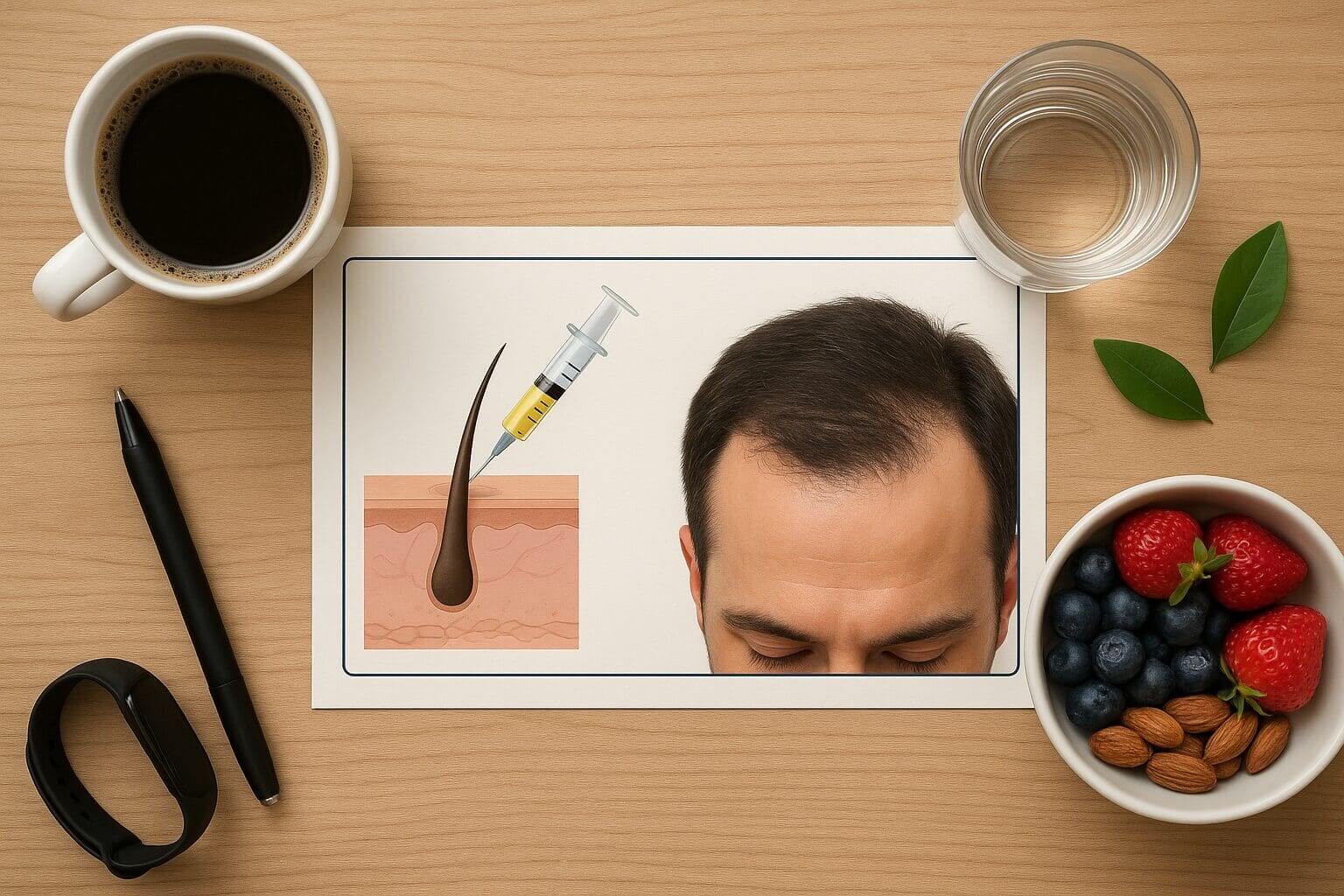
How to Maximize PRP Hair Restoration Results: Post-Treatment Care and Lifestyle Tips
Platelet-Rich Plasma (PRP) hair restoration has become one of the most popular non-surgical treatments for thinning hair and early hair loss. It uses your body’s own growth factors to nourish dormant follicles and support healthier, stronger hair growth over time. To get better results, what you do after each session matters as much as the treatment itself.
What to Expect After PRP Hair Restoration
Most patients experience mild tenderness, fullness, or small bumps at the injection site. These effects are normal and usually fade within 24-48 hours. Following your provider’s post-care instructions is key to helping your scalp recover effectively.
Essential Post-Treatment Care for Better PRP Results
Protect Your Scalp for the First 24–48 Hours
Right after your PRP session, your scalp needs time to absorb the growth factors. To support healing:
- Avoid washing your hair for at least 24 hours.
- Keep your scalp clean and avoid touching or scratching the treated areas.
- Stay out of direct sunlight and avoid hot environments like steam rooms.
This small window of care helps reduce irritation and keeps away bacteria from entering the injection sites.
Pause on Hair Products and Heat Styling
To prevent irritation and protect the follicles:
- Skip styling products, gels, sprays, and dyes for at least 48 – 72 hours.
- Avoid blow-dryers, straighteners, and curling irons until your scalp no longer feels tender.
When you reintroduce products, choose gentle, sulfate-free formulas to maintain scalp health.
Avoid Strenuous Exercise Temporarily
Heavy workouts increase blood flow and sweat, which can irritate the scalp. For best results:
- Avoid intense exercise for 24 – 48 hours.
- Choose light activities if needed, such as walking or stretching.
This reduces inflammation and helps the PRP serum stay where it’s needed.
Lifestyle Habits That Boost PRP Hair Growth
Eat a Hair-Healthy Diet
Nutrients play a major role in hair growth. Include:
- Lean proteins (chicken, fish, legumes)
- Omega-3 fatty acids (salmon, walnuts, flaxseed)
- Iron-rich foods (spinach, lentils)
- Biotin and zinc sources (eggs, nuts, whole grains)
A well-balanced diet supports stronger hair and improves the long-term success of PRP hair restoration.
Manage Stress for Better Hair Retention
Chronic stress can contribute to shedding and slow regrowth. Consider:
- Meditation or breathing exercises
- Yoga or low-impact movement
- Regular sleep patterns
- Brief daily relaxation time
Small routines can help support hormonal balance and hair stability.
Limit Smoking and Alcohol
Smoking reduces blood flow and oxygen supply to hair follicles. Excessive alcohol can interfere with nutrient absorption. Reducing both can improve follicle activity and support fuller, healthier hair.
Follow Your PRP Session Schedule Consistently
Most patients need a series of treatments to achieve optimal results. The initial phase typically involves multiple sessions spaced at regular intervals, followed by periodic maintenance sessions. Consistency throughout the treatment process helps keep follicles active and strengthens outcomes.
Takeaway
PRP hair restoration is a powerful, natural treatment option for improving hair thickness and promoting healthy growth. But your aftercare and lifestyle choices can make all the difference. By protecting your scalp, adopting a nutrient-rich routine, and staying consistent with treatments, you can enhance your results and enjoy longer-lasting improvements.
If you’re ready to explore PRP hair restoration or want personalized guidance, MetroMed’s team is here to help you take the next step toward healthier, fuller hair.