

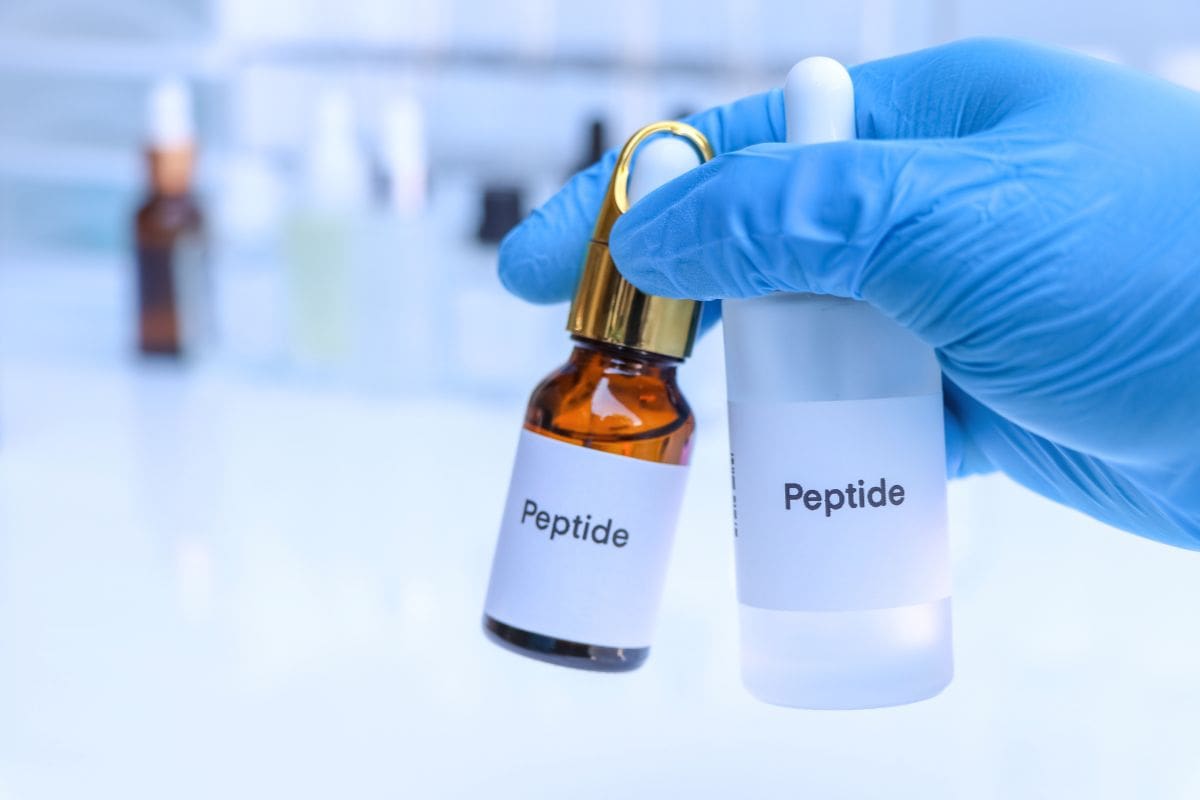
Peptides vs HGH for Muscle and Strength Support
When it comes to building muscle and increasing strength, many people look beyond traditional training and nutrition. Two terms you may hear often are peptides and Human Growth Hormone (HGH). Both can influence muscle growth and body composition, but they work differently.
What Are Peptides?
Peptides are small amino acid chains made by the body that help communicate instructions to cells, influencing hormones, metabolic processes, and tissue repair.
In the fitness world, specific peptides are used to support muscle growth, recovery, and overall performance. Peptides like BPC-157 can promote muscle repair and may improve recovery time after intense workouts.
How Peptides Work
Peptides work by sending signals to your body to stimulate certain responses. For example:
- Certain peptides can enhance the anabolic environment, helping muscle grow
- Some peptides signal the body to release more growth factors.
- Few may support cell regeneration or tendon and ligament healing.
Peptides do not directly build muscle like protein. Instead, they help your body use nutrients, hormones, and recovery pathways more effectively.
What Is Human Growth Hormone (HGH)?
Human Growth Hormone (HGH) is a hormone produced by the pituitary gland. It plays a vital role in growth, metabolism, and muscle development. HGH helps regulate body composition, supports protein synthesis, and stimulates the growth of muscle and bone.
In medical settings, HGH is prescribed for specific conditions such as growth hormone deficiency. In performance settings, some use HGH to increase muscle mass and reduce body fat.
How HGH Works
HGH is released in pulses throughout the day, especially during sleep. It helps your body:
- Support cellular repair
- Burn fat for energy
- Build protein and muscle tissue
- Maintain bone density
HGH also stimulates the release of Insulin-Like Growth Factor-1 (IGF-1), a powerful growth factor that contributes to muscle growth.
Peptides vs HGH: Key Differences
When comparing peptides and HGH for muscle and strength support, several key differences stand out:
Strength and Muscle Gain
- Peptides: Supportive, especially for recovery and repair. Effects vary based on the peptide type.
- HGH: More potent for overall growth and muscle development since it acts at the hormonal level.
Mechanism of Action
- Peptides: Signal the body to support healing, growth factors, and recovery.
- HGH: A hormone that directly affects metabolism, protein synthesis, and muscle tissue growth.
Safety and Side Effects
- Peptides: Often have fewer side effects when used correctly under medical supervision. Risks depend on the peptide and dosage.
- HGH: Effective, but improper use can lead to side effects such as joint pain, swelling, insulin resistance, and more.
Cost
- Peptides: Generally less expensive than HGH.
- HGH: Often higher cost due to hormone complexity and medical oversight required.
Benefits of Peptides for Muscle and Strength
Peptides can be effective tools for those who want better recovery and muscle maintenance. Their benefits include:
- Improved Recovery
- Enhanced Muscle Repair
- Joint and Tendon Support
- Lower Side Effect Risk
Benefits of HGH for Muscle and Strength
HGH is a powerful option for people with diagnosed deficiencies and those seeking enhanced anabolic effects. Its benefits include:
- Increased Muscle Mass
- Fat Loss
- Bone and Tissue Health
Risks and Considerations
Before using peptides or HGH, it’s essential to understand potential risks.
Peptide Risks
- Quality matters only medical-grade peptides should be used.
- Incorrect dosing can lead to ineffective results.
- Side effects are generally mild but can include irritation at the injection site or hormonal imbalance if misused.
HGH Risks
- Must be prescribed and monitored by a licensed medical provider.
- Improper use can cause joint pain and fluid retention.
- Long-term misuse can impact insulin sensitivity and metabolic health.
Both peptides and HGH should only be used under professional medical care, especially for performance goals.
Which Is Better for Muscle and Strength?
There isn’t a one-size-fits-all answer. The best choice depends on your goals, health status, and medical guidance.
- Peptides are beneficial for targeted support, recovery, and muscle repair.
- HGH offers broader hormonal effects for muscle growth and fat loss but requires careful oversight.
How MetroMed Approaches Peptides and HGH
At MetroMed, we emphasize safe, individualized care. Our experts assess your health profile, goals, and needs to recommend evidence-based solutions that support muscle and strength gains without risking your health.
We offer medically supervised peptide therapy and address hormone health with clinical evaluations. Your safety guides every decision, and our team monitors progress to ensure results are both effective and sustainable.