

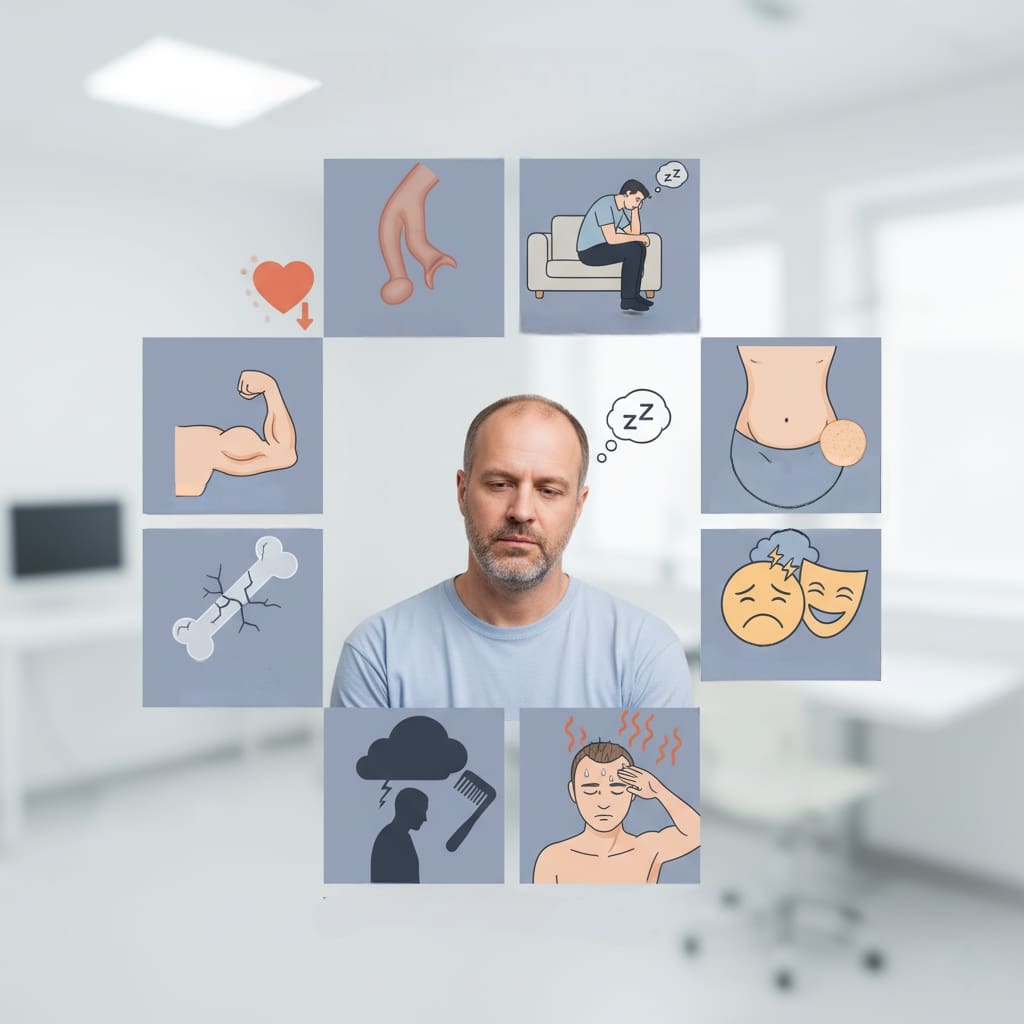
Top 10 Signs You May Need Testosterone Therapy
Testosterone plays a crucial role in men’s health, influencing energy levels, muscle mass, mood, and sexual function. As men age, they face certain medical conditions, testosterone levels can decline, leading to noticeable physical and emotional changes. Testosterone therapy can help restore balance, improve quality of life, and support overall health. Here are the top 10 signs that indicate that you may need testosterone therapy.
1. Persistent Fatigue
Feeling tired despite getting enough sleep is a common early sign of low testosterone. Fatigue can affect work performance, exercise routines, and daily activities. If you notice a consistent lack of energy, testosterone therapy may help boost vitality.
2. Reduced Muscle Mass and Strength
Testosterone supports muscle development and strength. A decline in testosterone can make it harder to maintain muscle mass or gain strength, even with regular exercise. Men experiencing muscle loss may benefit from a testosterone evaluation.
3. Increased Body Fat
Low testosterone can contribute to weight gain, especially around the abdomen. This hormonal imbalance can also lead to changes in metabolism, making it more difficult to maintain a healthy body composition.
4. Low Libido and Sexual Dysfunction
One of the most recognized signs of low testosterone is a decrease in sexual desire or erectile dysfunction. Men may notice fewer spontaneous erections and reduced interest in intimacy, signaling that hormone levels may need assessment.
5. Mood Changes and Irritability
Testosterone impacts mood and mental health. Men with low levels may experience irritability, depression, or a general sense of unhappiness. Addressing hormonal imbalance can improve emotional well-being and overall quality of life.
6. Difficulty Concentrating
Cognitive functions like focus, memory, and mental clarity can be affected by low testosterone. If you find it harder to concentrate or remember details, testosterone therapy might help restore mental sharpness.
7. Sleep Disturbances
Low testosterone can interfere with sleep quality, contributing to insomnia or restless nights. Men with hormonal imbalance often experience fatigue despite spending adequate time in bed.
8. Hair Loss
Testosterone influences hair growth in men. Reduced levels may lead to thinning body or facial hair, which can be a visible sign of declining hormone levels.
9. Decreased Bone Density
Testosterone helps maintain strong bones. Low levels can lead to a higher risk of osteoporosis and fractures. Men experiencing frequent bone injuries or noticing reduced bone strength should discuss hormone testing.
10. Decreased Motivation and Confidence
A drop in testosterone can affect overall motivation, self-confidence, and drive. Men may feel less ambitious or more withdrawn, impacting personal and professional life.
When to Consider Testosterone Therapy
If you recognize multiple signs from this list, it may be time to consult a healthcare provider at MetroMed. Recognizing the signs early and seeking professional evaluation can help restore balance and improve overall well-being.