

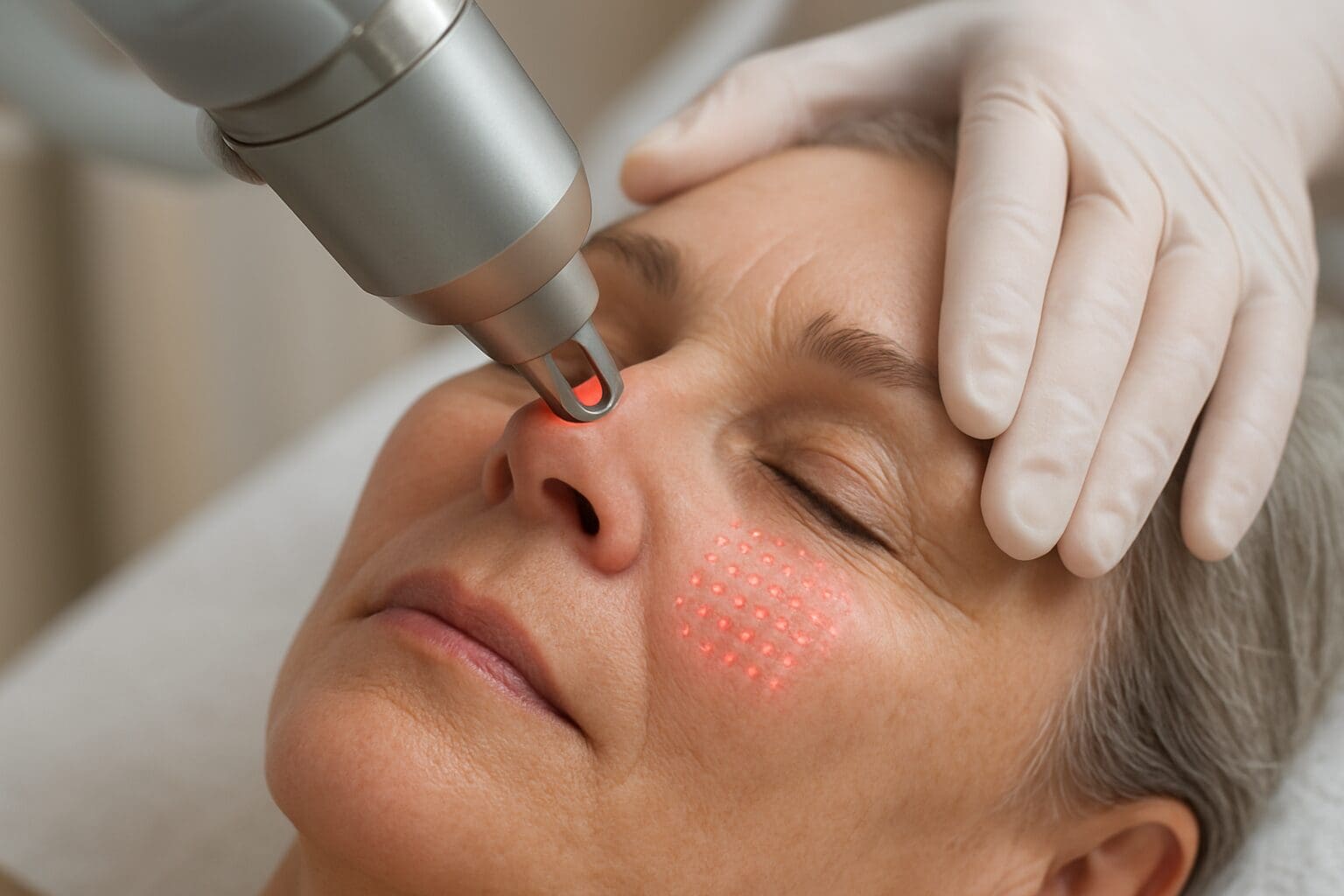
What Makes CO2 Fractional Laser the Gold Standard for Skin Resurfacing
Skin resurfacing has come a long way over the years, but CO2 fractional laser continues to stand out as the most effective option for people who want real, noticeable improvement. It rebuilds collagen, smooths scars, wrinkles, improves tone, tightens the skin, and restores a healthy, smooth appearance, all with a level of effectiveness that lighter treatments can’t match.
Why CO2 Fractional Laser Stands Above the Rest
1. It Works Deep in the Skin to Build New Collagen
CO2 fractional lasers release energy that targets water in the skin. This allows the laser to reach deeper tissues safely and trigger a natural healing response. As your skin repairs itself, it creates new collagen, which firms and smooths the surface.
This deeper remodeling makes CO2 fractional laser especially effective for:
- Rough or uneven texture
- Fine lines and deeper wrinkles
- Sun-damaged skin
- Acne scars
2. Backed by Strong Clinical Research
The CO2 fractional laser has been studied for years and is known for its consistent, reliable results. Research shows it improves wrinkles, scars, pigmentation, and overall skin quality. Many dermatologists and aesthetic specialists still consider it the top choice when a patient wants significant skin renewal rather than mild touch-ups.
Its fractional design treats tiny micro-columns of skin while keeping the surrounding tissue intact. This helps the skin heal faster than older, fully ablative lasers, while still producing dramatic changes.
3. High Precision and Customization for Safety
One of the biggest advantages of modern CO2 fractional lasers is the level of control they offer. A skilled provider can adjust:
- Density of micro-treatment zones
- Energy levels
- Depth of treatment
This means the treatment can be tailored for different skin concerns, skin types, and comfort levels. It also helps reduce risks and shortens recovery time. When performed by experienced professionals, CO2 fractional laser is both effective and safe for the right candidates.
4. Long-Lasting Improvements
Many patients choose CO2 laser because the results develop gradually and can last for years. After treatment, collagen keeps rebuilding for several months. Skin becomes smoother, firmer, and more even in tone over time.
This makes the treatment ideal for anyone who wants meaningful, long-term improvement instead of temporary enhancement.
Key Benefits of CO2 Fractional Laser Resurfacing
- Reduced Appearance of Scars: It is one of the top treatments for acne scars, surgical scars, and other texture irregularities.
- Natural Skin Tightening: The heat from the laser contracts existing collagen and promotes new growth, giving the skin a firmer look.
- Smoother Fine Lines and Wrinkles: CO2 laser reduces both small and deep wrinkles by tightening tissue and encouraging fresh collagen production.
- More Even Skin Tone: Sun spots, discoloration, and rough patches respond well to CO2 laser resurfacing.
- Fewer Treatment Sessions: Because CO2 fractional laser is powerful, many people need fewer sessions compared to non-ablative options.
What to Expect After Treatment
While CO2 fractional laser offers impressive results, it does involve downtime. Most people notice:
- Redness
- Swelling
- Flaking or peeling for several days
Post-care is important to protect healing skin and avoid complications like pigment changes. When performed by trained medical professionals, and with proper aftercare, the treatment is both effective and predictable.
Patients with deeper skin tones may require a customized approach to minimize the risk of pigmentation issues. This is why choosing an experienced provider is essential.
Why MetroMed Trusts CO2 Fractional Laser
At MetroMed, Our team guides patients through every step from evaluation to aftercare, to ensure the best possible experience and results. We choose this technology because:
- It delivers deeper, clinically proven skin rejuvenation
- It can be customized for each patient’s skin needs
- It creates long-lasting improvements in texture, tone, and firmness